
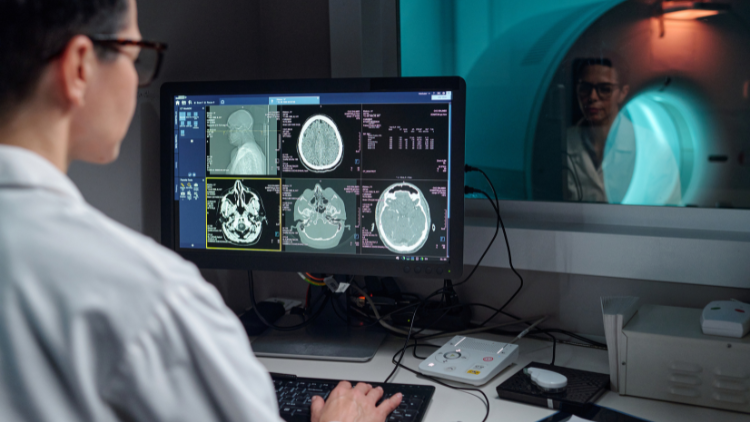
Advanced Therapy Medicinal Products (ATMPs) are rapidly transforming the pharmaceutical and biotechnology landscape. These therapies, which include gene therapies, cell therapies, and tissue-engineered products, offer groundbreaking treatments for conditions that previously had limited or no therapeutic options.
As the number of ATMPs entering clinical development and commercial production continues to rise, regulatory authorities are placing increasing emphasis on Good Manufacturing Practice (GMP) compliance within this rapidly evolving field. However, ATMP manufacturing differs significantly from traditional pharmaceutical production, creating new challenges for Quality Assurance (QA) teams.
To keep pace with this growth, QA professionals are adapting quality systems, risk management frameworks, and regulatory strategies to ensure that advanced therapies are manufactured safely, consistently, and in compliance with global standards.
Understanding the Unique Nature of ATMP Manufacturing
Unlike traditional pharmaceutical products, ATMPs are often derived from living cells or genetically modified biological materials. This introduces a level of variability and complexity that is rarely encountered in conventional drug manufacturing.
ATMP production often involves:
-
Patient-derived biological materials
-
Highly specialised manufacturing environments
-
Small or personalised batch production
-
Complex supply chains involving biological samples
-
Short manufacturing timelines and limited product shelf life
For autologous therapies, where the patient’s own cells are used to produce the final treatment, each batch may correspond to a single patient. This makes traceability, identity preservation, and contamination control critical elements of quality oversight.
QA teams must therefore design quality systems that address both traditional GMP requirements and the unique risks associated with advanced therapies.
Adapting GMP Frameworks for ATMPs
Regulatory agencies such as the European Medicines Agency (EMA) and the U.S. Food and Drug Administration (FDA) have developed specific guidance for ATMP manufacturing. While these therapies must comply with GMP standards, the guidelines recognise that flexibility may be required due to the complexity of biological products.
QA teams are adapting GMP frameworks in several key areas:
Enhanced traceability systems
ATMP manufacturing requires robust chain-of-identity and chain-of-custody controls to ensure that patient-derived materials are accurately tracked throughout the manufacturing process.
Specialised cleanroom environments
Manufacturing facilities must maintain strict environmental control to prevent contamination. Many ATMP production facilities operate within highly controlled cleanroom environments with continuous environmental monitoring.
Customised quality documentation
Standard operating procedures (SOPs), batch records, and quality documentation often need to be tailored to the unique characteristics of ATMP processes.
Flexible validation approaches
Because ATMP processes can evolve rapidly during development, QA teams often apply risk-based validation strategies to ensure compliance while maintaining operational flexibility.
These adaptations help ensure that quality standards are maintained without slowing innovation in advanced therapy development.
Managing Quality Risks in Personalised Therapies
One of the greatest challenges in ATMP manufacturing is managing quality risks associated with personalised therapies. Traditional pharmaceutical manufacturing relies on large-scale batch production, where consistency can be maintained through well-established process controls.
In contrast, personalised therapies require manufacturing processes that can accommodate biological variability between individual patient samples.
To manage these risks, QA teams increasingly rely on:
-
Quality risk management frameworks
-
Process monitoring and control strategies
-
In-process testing and verification
-
Advanced analytical methods for product characterisation
These approaches help ensure that each therapy meets defined quality standards while accounting for inherent biological variability.
Leveraging Digital Quality Systems
Digital technologies are playing an increasingly important role in supporting ATMP quality management. Given the complexity of these therapies and the large volumes of data generated during production, digital systems help QA teams maintain oversight and traceability.
Common digital tools used in ATMP manufacturing include:
-
Electronic batch records
-
Digital quality management systems (QMS)
-
Automated environmental monitoring platforms
-
Data analytics tools for process performance tracking
These systems improve data integrity, reduce manual documentation errors, and provide real-time visibility into manufacturing operations.
Building Cross-Functional Collaboration
The rapid development of ATMPs requires close collaboration between multiple teams, including manufacturing, quality assurance, regulatory affairs, and process development.
QA teams increasingly act as strategic partners in product development rather than simply overseeing compliance activities. By working closely with development and manufacturing teams, QA professionals can identify potential risks early and ensure that quality considerations are integrated into process design.
This collaborative approach helps accelerate development timelines while maintaining strong regulatory compliance.
The Future of QA in Advanced Therapy Manufacturing
As the ATMP sector continues to grow, QA teams will play a critical role in ensuring that innovative therapies reach patients safely and efficiently. The complexity of these products requires flexible quality systems, advanced risk management strategies, and strong collaboration across multidisciplinary teams.
Looking ahead, the continued integration of digital technologies, advanced analytics, and specialised GMP frameworks will help QA teams maintain control over increasingly sophisticated manufacturing processes.
By adapting to the unique demands of ATMP production, QA professionals are helping to support the next generation of life-changing therapies while maintaining the highest standards of quality and patient safety.