
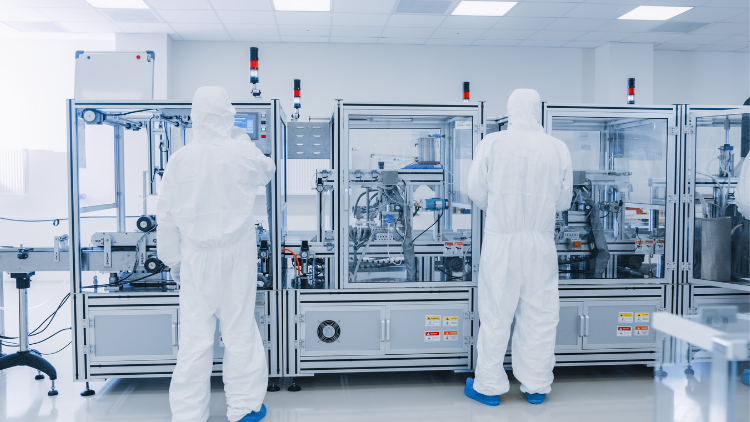
Continuous manufacturing has rapidly evolved from an emerging concept to a mainstream production strategy across pharmaceuticals, biotechnology, medical devices, and advanced manufacturing sectors. As organisations push for greater efficiency, consistency, and reduced operational risk, the shift from traditional batch manufacturing to continuous systems has become increasingly prominent. Now, in 2026, this transition is significantly reshaping the way companies approach quality oversight.
Where traditional batch processes provide quality checks at isolated stages, continuous manufacturing relies on real-time monitoring, integrated control systems, and sophisticated data analytics. This new landscape demands a modernised approach to quality assurance, one that is as dynamic as the production environment itself.
The Shift from Batch to Continuous: Why It Matters
Batch manufacturing has long been the standard for regulated industries, offering clear checkpoints and defined production windows. However, it also introduces inefficiencies, delays and variability.
By contrast, continuous manufacturing delivers a steady, uninterrupted flow of production. In 2026, adoption has expanded thanks to several advantages:
- Increased process efficiency and reduced downtime
- Greater product consistency due to stable operating conditions
- Enhanced scalability, particularly for pharmaceuticals and biologics
- Lower waste and more sustainable resource use
These benefits directly influence the expectations and responsibilities placed on quality teams.
Quality Oversight in 2026: A More Proactive Model
Quality oversight has traditionally been a reactive function: reviewing data, approving batches and responding to deviations. Continuous manufacturing flips this model on its head. Today, quality professionals must oversee systems that generate constant flows of data, requiring real-time decision-making and proactive interventions.
Real-Time Release Testing Becomes Standard
Real-Time Release Testing (RTRT) has continued its rise in 2026, with more organisations integrating advanced tools such as:
- Near-infrared (NIR) spectroscopy
- Mass spectrometry
- Inline sensors for temperature, pH, viscosity and more
RTRT allows for product release based on continuous process data, reducing reliance on end-product testing. Quality teams now focus on verifying system performance rather than analysing product samples.
Expanded Use of Process Analytical Technology (PAT)
Process Analytical Technology has become central to quality oversight in continuous systems. In 2026, PAT frameworks now incorporate:
- Machine learning models for predictive adjustments
- Digital twins to simulate process performance
- Automated alerts for early deviation detection
PAT enables quality assurance teams to identify issues before they escalate, ensuring a more stable production environment.
Digital Quality Management Systems (QMS) Take Centre Stage
With continuous production generating vast datasets, digital quality systems are no longer optional, they are essential. Modern QMS platforms now integrate:
- Automated data capture
- Cloud-based audit trails
- AI-assisted deviation management
- Enhanced cybersecurity for sensitive manufacturing data
Regulators have increasingly encouraged this digital shift, emphasising data integrity and system validation.
New Compliance Expectations from Regulators
Regulatory bodies, such as the EMA, FDA and MHRA, have updated their guidance in recent years to reflect the reality of continuous manufacturing. While core requirements remain unchanged, 2026 brings:
- More focus on system capability rather than batch records
- Increased scrutiny of real-time analytics and algorithm validation
- Emphasis on robust change-control processes
- Expectations for continuous risk assessment rather than periodic reviews
Quality professionals must now demonstrate comprehensive control over integrated systems rather than isolated checkpoints.
Skills and Roles Are Evolving
Quality oversight roles today require a blend of traditional QA expertise and digital fluency. In 2026, the most sought-after skills include:
- Data analytics and statistical modelling
- Understanding of automation and control systems
- Familiarity with AI-driven quality tools
- Strong grounding in risk-based quality management
This shift has driven increased collaboration between engineering, IT and quality teams.
The Future of Continuous Manufacturing Beyond 2026
Continuous manufacturing is expected to continue reshaping quality oversight in the years ahead. Trends on the horizon include:
- Greater use of autonomous process control
- Integration of blockchain for supply-chain transparency
- Further reduction in human error through AI-guided operations
- Global harmonisation of regulatory expectations
As manufacturing becomes more digitised and interconnected, quality oversight will continue to evolve into a more predictive, technology-driven discipline.
Final Thoughts
Continuous manufacturing has brought unprecedented efficiency and reliability to the production landscape, but it has also elevated the expectations placed on quality oversight teams. In 2026, success depends on adopting digital tools, embracing real-time data and ensuring quality systems keep pace with technological innovation.
For companies that adapt effectively, continuous manufacturing is not just a production method; it is a competitive advantage.
If you’re looking to strengthen your Quality Assurance team, connect with QA Resources today. We’ll help you find experienced QA professionals who can support your compliance goals and keep your organisation inspection-ready.